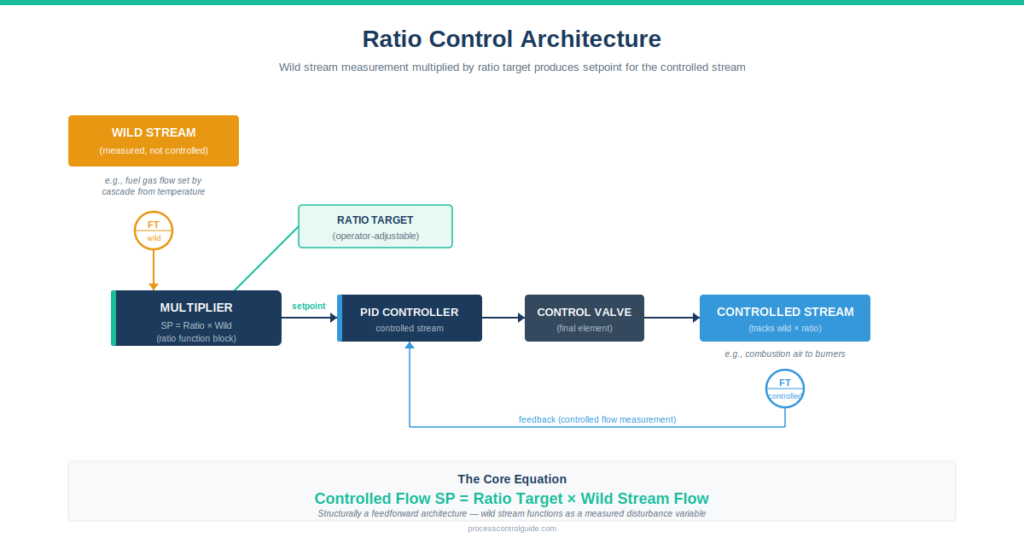
Ratio Control Explained: The Best Practitioner Guide for Process Engineers in 2026
The first ratio control loop I commissioned was an air-to-fuel ratio controller on a fired heater on a gas-to-liquids facility
Process control theory is what makes a DCS keep a column, reactor, or compressor at its target despite constant disturbances. These guides cover the control strategies used in real plants — PID tuning methods, cascade, feedforward, and ratio control — explaining how each works, when to use it, and how it is configured across major DCS platforms, with worked examples from oil and gas, refining, and petrochemical operations.
The first ratio control loop I commissioned was an air-to-fuel ratio controller on a fired heater on a gas-to-liquids facility
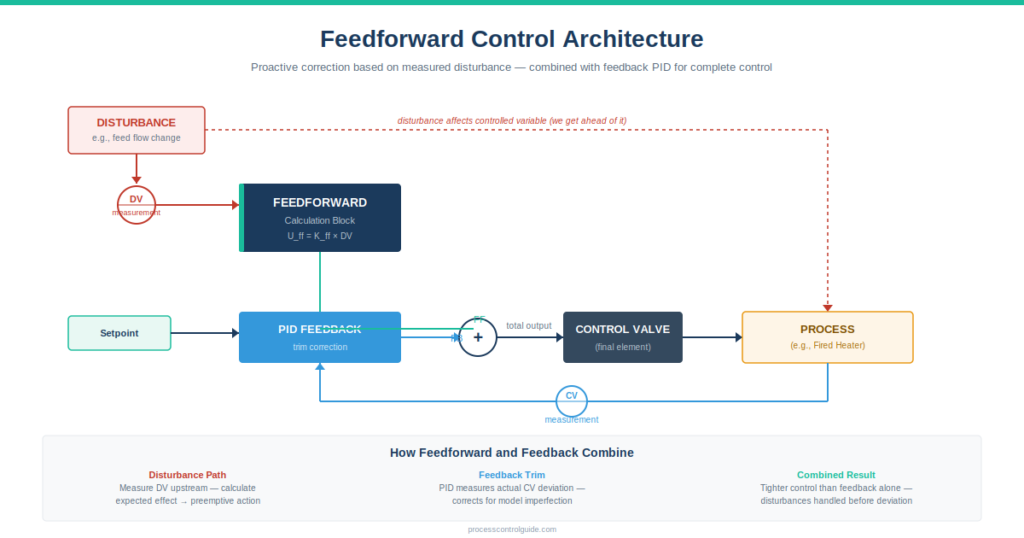
On the gas-to-liquids facility in Africa where I learned process control, one of the fired heaters had a feed flow
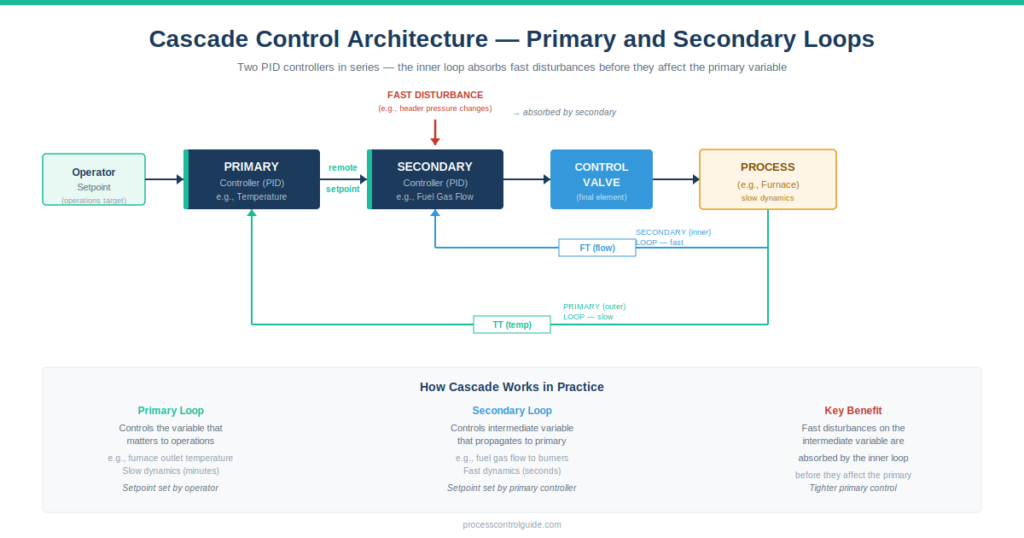
The first cascade control loop I commissioned was a furnace outlet temperature controller on a gas-to-liquids facility in Africa. The
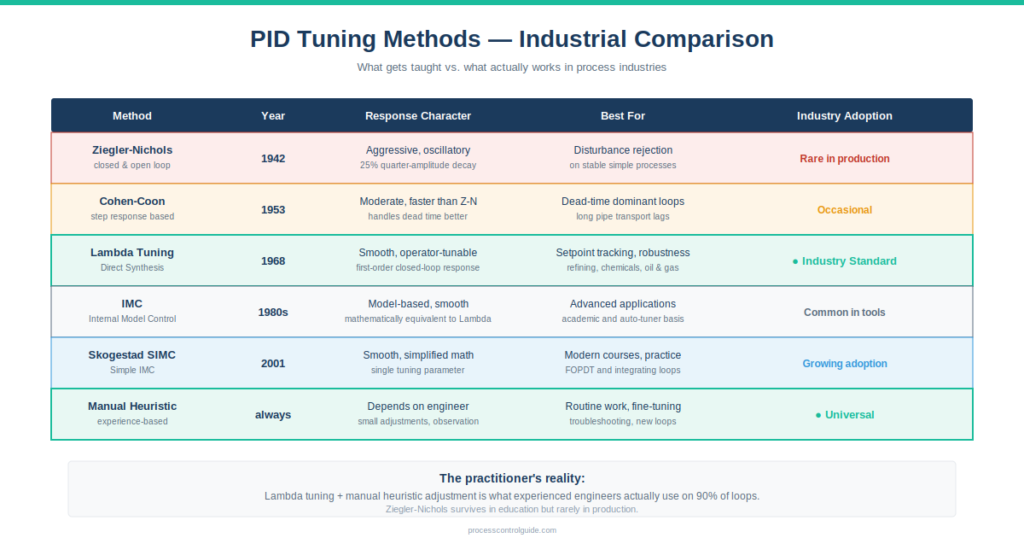
The first PID loop I tuned in production was a furnace outlet temperature controller on a gas-to-liquids facility in Africa.